

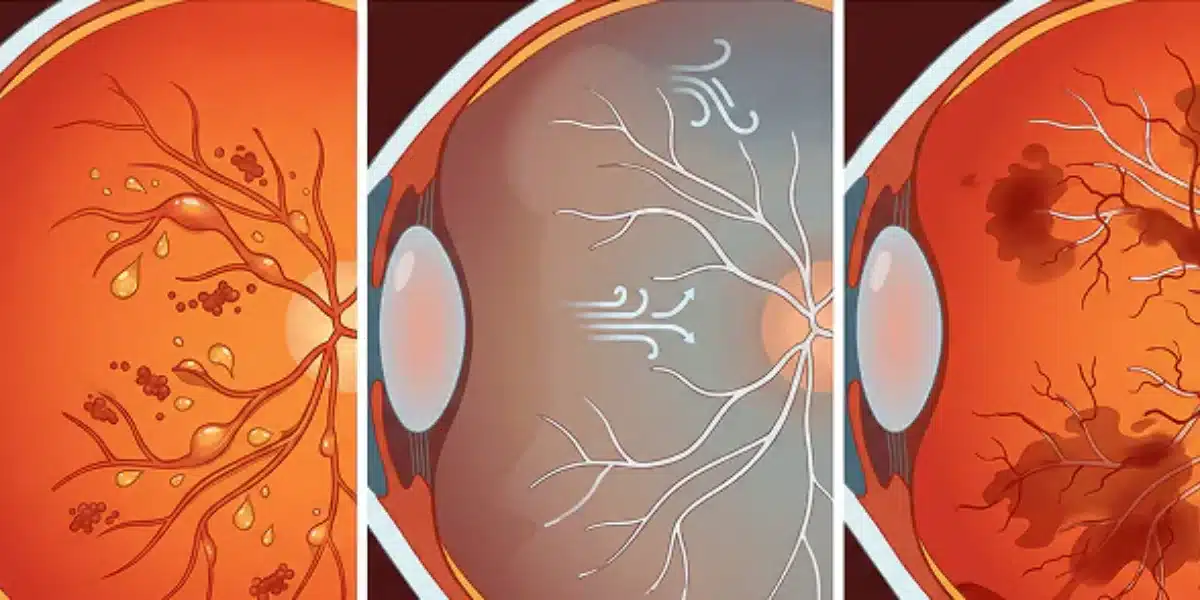
If your endocrinologist has been on you to schedule a diabetic retinopathy screening, the words alone can sound intimidating. Bright lights. Eye drops. Maybe needles? It’s tempting to push the appointment down the to-do list, especially when your vision feels fine. The truth is the screening itself is quick, painless, and covered by most insurance plans. The hard part is just getting yourself in the chair. Here’s exactly what happens at the appointment, what each step is for, and why skipping it for another year is a much bigger deal than the small inconvenience of going.
Why diabetic retinopathy screening matters
Diabetic retinopathy is the leading cause of blindness in working-age adults in the United States. About one in three adults with diabetes already has some level of retinopathy, and most of them don’t know it. The early stages cause no pain or blurry vision. There are no warning signs at all. By the time you notice symptoms like floaters, blurry patches, or sudden vision loss, the damage is usually significant.
Annual screening catches the disease in stages where treatment is most effective. Early-stage retinopathy can often be managed by tightening blood sugar control alone. Mid-stage disease responds well to laser treatment or anti-VEGF injections. Once the disease reaches the proliferative stage, with new abnormal blood vessels growing across the retina, the risk of permanent vision loss climbs sharply.
If you’ve been diagnosed with type 2 diabetes, you should have your first eye exam right away. People with type 1 should start screening within five years of diagnosis. After that, diabetic eye care means coming back for a diabetic eye exam at least once a year, every year, regardless of how your eyes feel.
What actually happens during the exam, step by step
A diabetic retinopathy screening usually takes 30 to 45 minutes start to finish, and the flow is consistent across most practices.
The visit starts with a few questions: how long you’ve had diabetes, your last A1C, your current medications, and whether you’ve noticed any vision changes. That context shapes what the doctor pays closest attention to. If your A1C has been creeping up, they’ll look harder for early signs.
Next comes a basic vision check on the standard eye chart, plus eye pressure measurement. The pressure check is either a quick puff of air or a brief touch with a small probe. Both are over in seconds.
The main event is the retinal exam. The doctor puts dilation drops in your eyes that take about 20 minutes to fully widen the pupils. Once dilated, they use a bright light and a magnifying lens to inspect the retina, optic nerve, and blood vessels. Most modern practices add retinal imaging too: high-resolution fundus photos and an OCT scan that maps the retina in cross-section. Together those tools catch microaneurysms, swelling, and tiny hemorrhages that a quick glance can miss.
All of this happens within the framework of a comprehensive eye exam appointment. The diabetic version just goes deeper on the back of the eye and documents everything for year-over-year comparison.
Does any part of it hurt?
For the vast majority of patients, no. The diabetic retinopathy screening is one of the most painless medical exams you’ll have all year.
A few small notes on comfort. The dilation drops sting for about 5 to 10 seconds, similar to mild shampoo in the eye. The eye pressure puff is startling the first time but doesn’t actually hurt. The bright lights during the retinal exam are uncomfortable for some people, more like staring at a flashlight than pain. None of it requires sedation, numbing shots, or recovery time.
The bigger inconvenience is afterward. Dilation lasts 4 to 6 hours, sometimes longer. Your near vision will be blurry, and bright light will feel intense. Plan for a friend to drive you home, or wait at the office until things settle. Most practices, including Clear & Company Eye Care, hand out a pair of disposable wraparound sunglasses for the trip out. Wear them.
If retinal imaging is part of the workup, the doctors on staff may decide dilation isn’t needed at all, depending on your case. Ultra-widefield imaging captures most of the retina without dilation, which is helpful if you can’t take half a day for a fully dilated visit.
What the results can mean
Most screening results come back as “no signs of retinopathy.” That’s the goal, and it’s the most common outcome at a first exam, especially if your blood sugar has been well controlled. The doctor will recommend coming back in a year and call it a day.
If the doctor sees mild retinopathy, like a few microaneurysms or small hemorrhages, the typical advice is tighter blood sugar and blood pressure control plus a follow-up in 6 to 12 months. Many people stay at this stage for years without progression.
Moderate to severe non-proliferative retinopathy or any sign of diabetic macular edema usually means a referral to a retina specialist. Treatments at this stage have come a long way. Anti-VEGF injections, given monthly or every couple of months, can stop the disease and even reverse some damage. Focal laser is another effective tool for macular edema. The full picture of diabetic retinopathy treatment options depends on the stage at which it’s caught, which is the strongest argument for screening every year.
Proliferative diabetic retinopathy is the advanced stage, with fragile new blood vessels growing where they shouldn’t. It needs treatment quickly, usually with panretinal laser or anti-VEGF, but vision can often be preserved if treatment starts before bleeding occurs. If you’re scheduling your first diabetic eye exam in Charlotte NC, ask the practice whether they include retinal imaging as standard. The technology genuinely changes what gets caught early.
A diabetic eye exam in Charlotte NC takes less than an hour and could prevent the kind of vision loss that’s far harder to undo. If you’ve been diagnosed with diabetes and haven’t had a retinal exam in the last year, the next step is putting one on the calendar. You can book your screening directly, ideally on a day when someone else can drive you home.
FAQs
- How often do I need a diabetic retinopathy screening?
At least once a year if you have type 1 or type 2 diabetes. People with no signs of retinopathy and well-controlled blood sugar may be able to extend to every two years on a doctor’s recommendation. Once any retinopathy is detected, screenings move to every 6 to 12 months until the disease is stable.
- Can I drive home after the appointment?
Most patients shouldn’t drive immediately after dilation, since near vision will be blurry and light sensitivity is intense for several hours. Plan for a ride or wait at the office until your eyes recover. If your screening uses ultra-widefield retinal imaging without dilation, driving home is usually fine.
- What if my screening shows signs of retinopathy?
Mild findings often just mean tighter blood sugar control and a closer follow-up schedule. Moderate or severe disease usually triggers a referral to a retina specialist for treatments like injections or laser. Catching it earlier means less aggressive treatment and a better long-term outlook for your vision.
- Is the screening covered by insurance?
A diabetic retinopathy screening is usually billed to your medical insurance, not your vision plan, because it’s considered a medical exam tied to a chronic condition. Most major medical insurance plans cover it once a year. Always confirm coverage with both the practice and your insurance before the visit.
- I just had a regular eye exam. Do I still need the screening?
A standard vision exam is not the same as a diabetic retinopathy screening. The diabetic version specifically inspects and documents the back of the eye for signs of retinopathy, often with imaging. Tell your eye doctor up front that you’re diabetic so the right exam gets coded and recorded.
- Can the screening skip dilation entirely?
In many cases, yes. Practices with ultra-widefield retinal imaging like Optos can capture most of the retina without dilation, which is convenient if you can’t lose a half-day to blurry vision. For complex cases or first-time visits, your doctor may still recommend dilation to get the most thorough view.
At Clear & Company Eye Care in Harrisburg, NC, we can help. Explore our diabetic eye exams services or book an appointment online — or call (704) 997-2020.