Helping children maintain healthy vision is not only about seeing clearly today, it’s about protecting eyesight for the future.
Myopia control consultations are scheduled by phone so we can match your child with the right next step.
What we do here
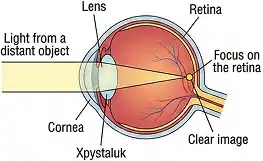
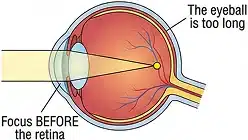
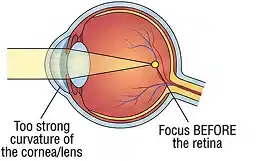
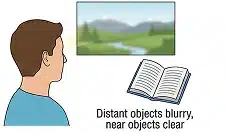
Myopia (nearsightedness) often begins in childhood and tends to progress through the teen years. Standard glasses and contacts can correct vision, but they don’t slow the underlying progression. Myopia management focuses on slowing progression, reducing long-term risk, and helping families feel confident and supported along the way.
risk and future
As myopia advances, long-term risk increases. Higher levels of myopia are associated with a greater risk of serious eye conditions later in life, including retinal detachment, glaucoma, cataracts, and myopic macular degeneration. That’s why myopia control matters. Even slowing progression by a small amount can meaningfully reduce long-term risk over time. (PubMed)
Myopia prevalence has been rising globally, with projections estimating around half the world may be myopic by 2050.
What is myopia?
We recommend options based on age, prescription, eye growth patterns, lifestyle, and comfort.
Rigid lenses worn overnight that gently reshape the cornea so vision is clear during the day without glasses or daytime contacts. (PLOS)
These lenses are designed to slow progression by changing how light focuses through the eye. They can be a great option for kids who prefer contacts during the day. (PubMed)
Prescription drops used nightly to relax the eye’s focusing system and help slow progression. Often used alone or combined with other strategies when appropriate. (BMJ Open Gastroenterology)
Not every child is a fit for every option. We’ll explain what’s most appropriate and why.
Lifestyle habits that help
Treatment is not only about lenses or drops, it’s also about the world your child lives in every day. Simple habits can help.
Spending more time outdoors has been shown to help reduce myopia risk and may support slower progression. Families should aim for two hours outside daily. (PMC)
Limit long stretches of close work and screens. A simple guide is the 20-20-20 rule: every 20 minutes, look 20 feet away for 20 seconds. No more than two hours of screen time daily.
Encourage reading and homework in well-lit spaces to reduce strain and support healthy visual development.
Personalized plans and monitoring
Every child is unique, and so is our approach. We work with you to:
Slowing myopia isn’t about stopping it completely. It’s about preserving vision and reducing long-term risk.
Children whose prescriptions change often, who experience blurry distance vision, or who simply desire a lifestyle free of glasses make excellent candidates. Early intervention is especially powerful for younger children, those with a family history of nearsightedness, and children whose myopia is progressing quickly. The sooner we begin, the greater our ability to protect their vision and reduce long-term risks.