

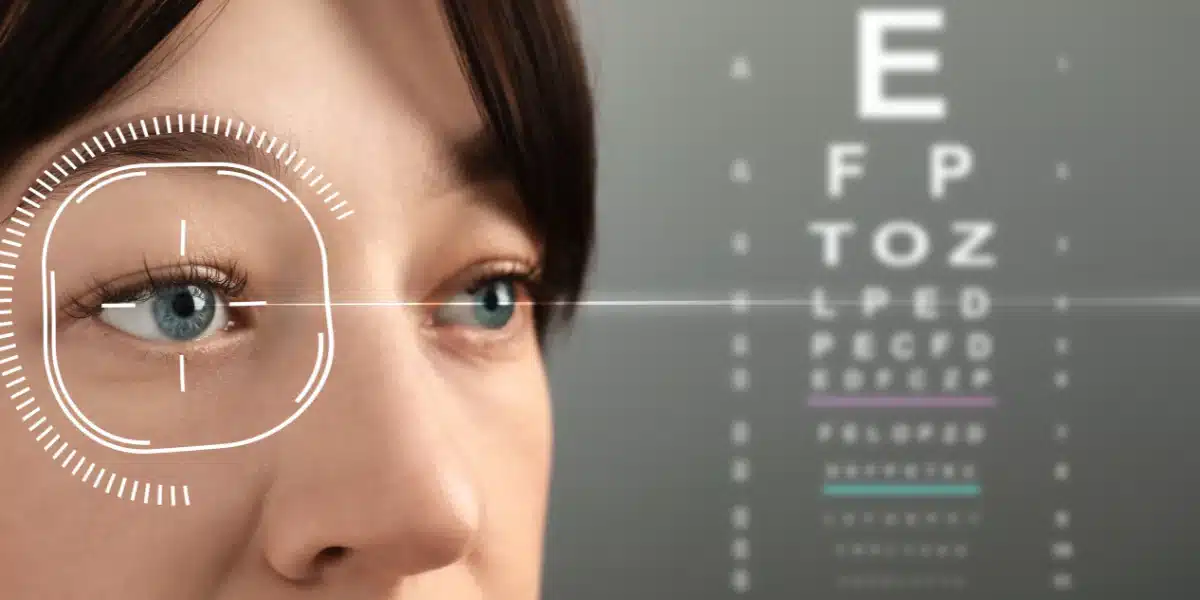
If your child has started squinting at the whiteboard or holding their tablet a little too close to their face, you’re not imagining things. Childhood nearsightedness is rising fast, and most parents don’t realize how much can be done about it. Myopia control isn’t just about a sharper pair of glasses each year. It’s about slowing how quickly your child’s eyes change, lowering their risk of serious eye problems later, and giving them clearer years ahead.
What Myopia Actually Does to a Growing Eye
Myopia, or nearsightedness, happens when the eyeball grows slightly too long. Light focuses in front of the retina instead of on it, so anything in the distance looks blurry. A higher prescription each year usually means the eye is still stretching, and that stretching is what raises the long-term risks.
Kids whose myopia progresses quickly are more likely to develop high myopia by their teens. High myopia is linked to a higher chance of retinal detachment, glaucoma, and myopic maculopathy down the road. None of those are guaranteed, but the math is hard to ignore- every diopter you can prevent now reduces risk later. That’s why pediatric eye doctors no longer treat myopia as something to simply correct. They treat it as something to actively slow. A solid foundation starts with regular] that track how the eye is changing year over year.
Why Glasses Alone Aren’t Enough Anymore
A standard pair of single-vision glasses corrects vision today, but does nothing to slow the underlying growth of the eye. That’s the gap myopia control fills. The goal is to keep your child’s prescription from climbing as fast as it otherwise would.
Several approaches have strong research behind them. Low-dose atropine eye drops, used nightly, have been shown to slow progression in many children. Specialty soft contact lenses designed for myopia management work by changing how light lands on the peripheral retina. Orthokeratology- overnight contact lenses that gently reshape the cornea- gives kids clear daytime vision without glasses while also slowing eye growth. Each option has its place, and the right pick depends on age, lifestyle, and how fast the myopia is progressing. Talking through these choices during a helps families understand what fits their child best.
Daily Habits That Move the Needle
Treatment is only one half of the equation. How your child spends their day matters too, and small adjustments often make a real difference in protecting children’s vision.
Time outdoors is the single most studied lifestyle factor. Kids who spend at least 90 minutes a day in natural daylight tend to develop myopia later and progress more slowly. Researchers think bright outdoor light triggers dopamine release in the retina, which helps regulate eye growth. Screen time itself isn’t the villain people once thought, but the way kids use screens matters. Holding a phone six inches from your face for hours strains the focusing system. The 20-20-20 rule helps: every 20 minutes, look at something 20 feet away for 20 seconds. Good lighting, an upright posture, and reasonable screen distance all help reduce the close-up load on growing eyes. For a deeper look at habits that protect young eyes.
When to Start and What to Expect
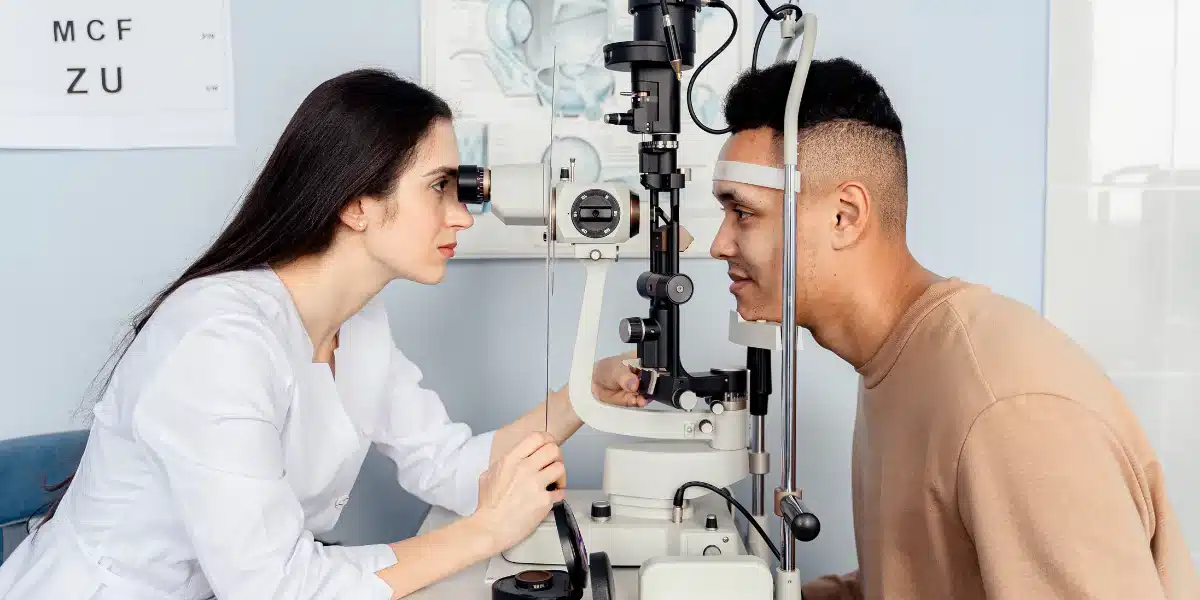
A lot of parents wait until their child clearly can’t see the board to schedule an exam. By then, the eye has often been changing for a while. The American Optometric Association recommends a first comprehensive eye exam between six and twelve months, another around age three, and yearly visits once school starts.
Myopia control usually begins as soon as nearsightedness is diagnosed, even at a low prescription. Starting earlier means more years of slowed progression, which translates to a lower final prescription as an adult. At Clear & Company Eye Care, families are walked through what each treatment looks like in practice- how often drops go in, what a contact lens routine looks like for a seven-year-old, and how progress is measured at follow-ups. Most kids adapt faster than their parents expect. If you’re not sure whether your child is a candidate, and bring any recent prescriptions with you.
Myopia won’t reverse on its own, and waiting rarely makes the next decision easier. The earlier you start tracking your child’s eye growth, the more options stay on the table. Even small reductions in how fast their prescription climbs add up to real protection over their lifetime. Talk to your optometrist, ask about myopia management programs, and keep an eye on those screen-and-sunshine ratios at home. For more reading, our covers related topics worth bookmarking.
FAQs
- At what age can myopia control treatment start?
Most children can begin myopia control as soon as nearsightedness is diagnosed, often between ages 6 and 10. Some treatments, like low-dose atropine, can be used in younger children, while contact lens options are usually introduced when a child is mature enough to handle them responsibly. Your eye doctor will recommend the right starting point based on age, prescription, and rate of progression
- Is myopia control safe for kids?
Yes, the major myopia control treatments have been studied for over a decade and have strong safety records when prescribed and monitored by an eye care professional. Low-dose atropine has minimal side effects at the concentrations used for myopia management. Contact lens options carry the same hygiene-related risks as any contact lens, which is why follow-up visits are part of the program.
- Will myopia control eliminate my child’s need for glasses?
Not entirely. Myopia control is about slowing progression, not reversing it. Your child will still likely need some correction, but the goal is to keep their final prescription much lower than it would have been without treatment. A lower lifetime prescription means a lower risk of eye health complications later on.
- How much screen time is too much for a nearsighted child?
There isn’t a single magic number, but pediatric eye care providers generally suggest keeping recreational screen time to about two hours a day for school-age kids. More important than the total is taking frequent breaks, keeping screens an arm’s length away, and balancing close-up work with time outdoors. The combination matters more than any single rule.
- Does spending time outside really help with myopia?
Yes, and it’s one of the most consistent findings in eye research. Kids who get around two hours of outdoor time daily are less likely to develop myopia and tend to progress more slowly if they already have it. Natural daylight appears to play a protective role in regulating how the eye grows.
- How often should my child have eye exams during myopia treatment?
Most kids in active myopia management are seen every six months. These visits check the prescription, measure the length of the eye, and confirm the treatment is doing its job. If progression speeds up or slows down significantly, the plan can be adjusted between visits.
At Clear & Company Eye Care in Harrisburg, NC, we can help. Explore our myopia control services or book an appointment online — or call (704) 997-2020.