
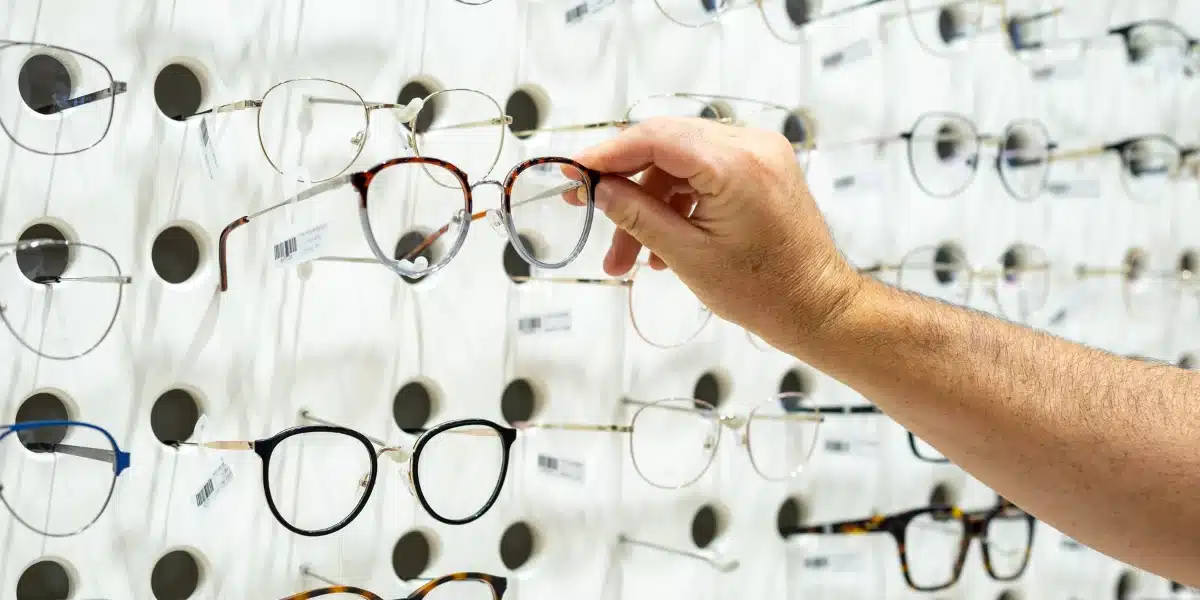
If you’ve been searching for designer eyewear in Charlotte, you already know the options can feel overwhelming. Walk into the wrong place and you’re stuck choosing from a wall of the same generic frames you’ve seen at every big-box optical. Find the right place, though, and picking your next pair of glasses feels less like a chore and more like a personal style moment – one that you’ll wear on your face every single day.
At Clear & Company Eye Care, we believe your frames should do more than hold lenses. They should fit your face, reflect your personality, and hold up to real life. Whether you’re drawn to timeless classics, modern architectural styles, or under-the-radar independent brands, the Charlotte area has more to offer than you might think. This guide walks through what makes a truly great designer frame, which styles are having a moment right now, and how to find the pair that’s actually right for you.
What Makes Eyewear “Designer”?
The word “designer” gets thrown around a lot in eyewear. But there’s a real difference between mass-produced frames with a recognizable logo slapped on the temple and eyewear that’s been thoughtfully engineered for quality, fit, and longevity.
Genuine designer eyewear typically features:
- Premium materials – acetate from Italy, titanium, or hand-finished stainless steel rather than cheap injection-molded plastic
- Precise tolerances – hinges that open and close smoothly for years without loosening
- Intentional proportions – shapes designed to complement real human faces, not just look good on a display hook
- Optical clarity – frames built to hold lenses at the exact position and angle needed for accurate vision correction
When you invest in quality designer frames, you’re paying for the engineering behind them as much as the aesthetic. A well-made pair will hold its shape, maintain its color, and stay comfortable through daily wear in a way that a budget frame simply won’t.
Top Frame Styles Trending in Charlotte Right Now
Fashion cycles, but certain silhouettes have staying power. Here’s what’s resonating with eyewear shoppers in the Charlotte metro right now.
1. Oversized Acetate Frames
Bold, chunky acetate frames in tortoise, deep burgundy, and rich forest green have been gaining serious momentum. These work especially well for people who want their glasses to make a statement – the frame becomes part of the outfit rather than an afterthought. Italian acetate has a warmth and depth that cheaper materials can’t replicate, and when it’s done well, it catches the light in a way that feels almost jewelry-like.
2. Slim Titanium Rectangles
On the opposite end of the spectrum, ultra-thin titanium rectangles have become a go-to for professionals and minimalists alike. Titanium is incredibly lightweight and hypoallergenic, which makes it ideal for full-time wearers who don’t want to notice their glasses on their face. The look is clean, architectural, and tends to age gracefully – you won’t look back at photos in five years and cringe.
3. Round and Oval Metal Frames
The round frame trend has evolved from its retro roots into something that feels genuinely contemporary when sized correctly. Smaller, more refined ovals in gold or brushed silver hit a sweet spot between classic and current. These pair beautifully with antireflective lenses and work across a wide range of face shapes when fit properly.
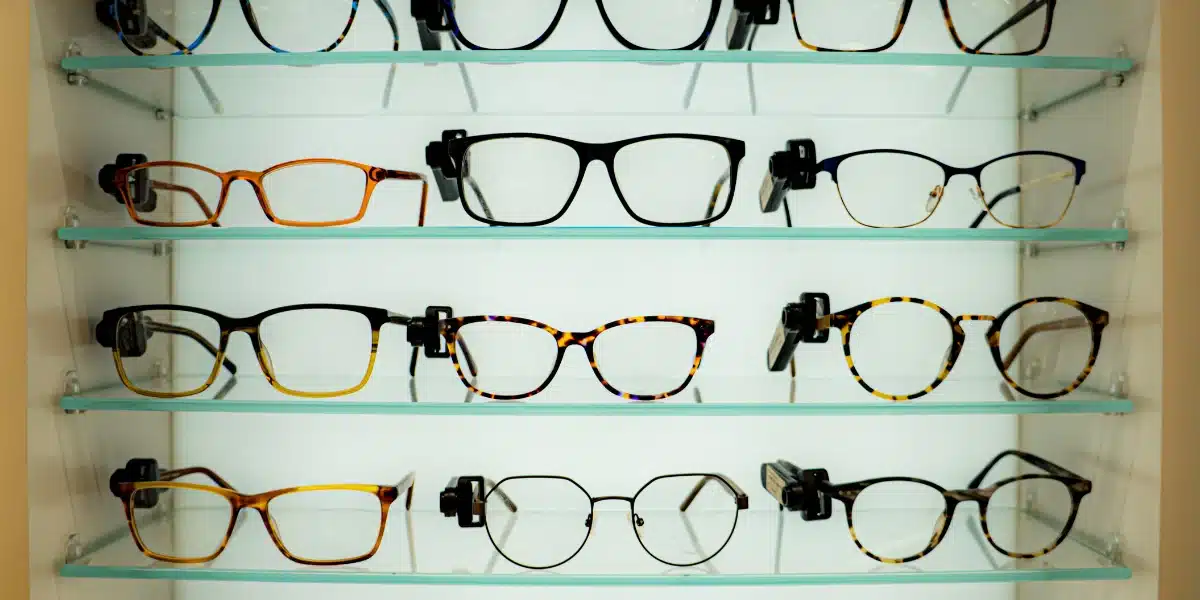
4. Geometric and Angular Styles
Hexagonal and angular frames have carved out a dedicated following among people who want something that reads as deliberately different. These styles can be polarizing – which is exactly the point. When the proportions are right for your face, a geometric frame projects confidence and individuality in a way that conventional shapes don’t.
5. Translucent and Blush-Toned Acetates
Clear and translucent frames in blush, grey, and warm tones have moved from niche to mainstream. They’re a fantastic option for people who love the look of statement frames but want something that doesn’t dominate the face. The effect is softer and more versatile than you might expect.
Independent vs. Luxury Labels: What’s Worth It?
Charlotte shoppers have a real choice between globally recognized luxury brands and smaller independent labels – and that choice matters more than people realize.
Luxury heritage brands like Lindberg, Ic! Berlin, and Silhouette bring decades of engineering refinement to their designs. Lindberg, for instance, builds frames with a modular system that allows for near-infinite customization and a featherlight fit. These aren’t brands that are simply licensing a name – they’re making genuinely exceptional eyewear.
Independent labels are often where the most interesting design work is happening right now. Smaller brands are taking creative risks that major labels won’t, experimenting with sustainable materials, unusual colorways, and construction techniques that you won’t find anywhere else. When you wear an independent frame, you’re unlikely to run into someone wearing the same pair at a conference or a dinner party.
The key is having someone knowledgeable help you navigate the options – because the “right” brand depends entirely on your face shape, lifestyle, and what you’re actually looking for. That’s where a personalized fitting experience makes all the difference.
How to Know If a Frame Actually Fits You
Great frames in the wrong size are still the wrong frames. Here’s what a proper fit looks like:
The frame width should roughly match the width of your face. When you look straight ahead, the temples shouldn’t bow outward or pinch inward at your temples.
The bridge should sit comfortably on your nose without pinching or sliding. If you’re constantly pushing your glasses up, the bridge fit is off.
Pupillary distance matters enormously for progressive and high-prescription lenses. Your pupils should align with the optical center of the lens for accurate vision correction.
The weight distribution should feel balanced. Heavy frames that tip forward will cause nose and ear discomfort over the course of a long day.
A true optical fitting – not just trying frames on in a mirror – accounts for all of these factors. At Clear & Company, our routine eye exams include a thorough prescription assessment that informs not just your lenses, but your entire eyewear selection.
Lens Quality Matters as Much as the Frame
It’s easy to focus entirely on the frame and treat the lens as an afterthought. But the lens is doing the actual work. A beautiful frame with subpar optics is a daily frustration – especially for higher prescriptions or progressive wearers.
When choosing eyewear and lens options, look for:
- High-index lenses for strong prescriptions, which are thinner and lighter than standard lenses
- Antireflective coating to reduce glare from screens and headlights – this is essentially non-negotiable for daily wear
- UV protection built into the lens material, not just added as a surface coating
- Photochromic options if you move between indoor and outdoor environments frequently
At Clear & Company, we walk every patient through lens options in a way that’s straightforward and honest – not upsold with features you don’t need, and not undersold on ones that would genuinely improve your daily life.
Why the Charlotte Area Deserves Better Eyewear Options
The Charlotte metro has grown into a genuinely cosmopolitan area, and the demand for quality, curated eyewear has grown with it. Residents here aren’t looking for whatever happens to be in stock – they want frames that reflect a level of taste and intentionality that matches the rest of their lives.
Independent eye care practices that curate their frame collections thoughtfully are filling a real gap in this market. Big-box optical has its place, but it isn’t built for the person who wants to spend time with a knowledgeable optician, explore independent labels, and leave with something that feels genuinely personal.
When you schedule a contact lens fitting or an eyewear consultation, you should expect someone to ask about your lifestyle – how much time you spend on screens, whether you drive at night, if you have specific hobbies that affect what you need from your lenses. That context shapes the recommendation in ways that matter.
Protecting Your Investment
Designer frames are an investment worth protecting. The Clear Protect Plan at Clear & Company is designed exactly for this – covering adjustments, cleanings, and providing peace of mind if your frames are damaged in the first year of wear. Pair that with our 90 Day Promise, and you can make your selection with real confidence rather than anxiety.
Good eyewear shouldn’t feel like a gamble. It should feel like something you’re excited to wear every morning.
Frequently Asked Questions
What makes independent eyewear brands different from major designer labels?
Independent brands typically prioritize design innovation, sustainable materials, and smaller production runs. You’re more likely to find unique colorways and construction techniques that major labels won’t risk at scale.
How much should I expect to spend on quality designer frames in Charlotte?
Quality frames from independent or heritage brands typically range from $250 to $600 for the frame alone, with lenses adding to the total. The range reflects genuine differences in materials, construction, and fit options.
Can I use my vision insurance for designer frames?
Most vision plans include a frame allowance that can be applied toward designer frames. Clear & Company accepts a range of insurance plans – you can review coverage details on our insurance and payments page.
How often should I replace my glasses?
Most eye care professionals recommend evaluating your prescription every one to two years. Whether your prescription has changed or not, frames wear down and lenses accumulate micro-scratches over time. Our medical eye care team can help you determine when it’s time for an update.
What face shapes suit oversized acetate frames?
Oval and heart-shaped faces tend to wear oversized frames most easily, but the right proportions matter more than strict face-shape rules. A good optician will help you find the right silhouette for your specific features.
What’s the difference between antireflective and blue-light blocking lenses?
Antireflective coating reduces glare from all light sources. Blue-light filtering targets a specific wavelength associated with digital screens. Many modern lenses incorporate both – and whether you need them depends on your daily environment.
At Clear & Company Eye Care in Harrisburg, NC, we can help. Explore our designer eyewear services or book an appointment online — or call (704) 997-2020.