
Key Takeaways
- The best contact lenses for dry eyes have good oxygen permeability, strong moisture retention, and resist drying out over a full wearing day.
- Daily disposable lenses reduce deposit buildup, one of the biggest drivers of dryness-related irritation.
- Silicone hydrogel lenses allow more oxygen through than older hydrogel materials, though the right balance still varies by person.
- Fit matters as much as material, a poorly fitted lens causes irritation no matter how advanced it is.
- Habits like rewetting drops, staying hydrated, and the 20-20-20 rule support comfort beyond lens choice alone.
- Persistent dryness despite trying different lenses is worth a full evaluation rather than continuing to guess.
The best contact lenses for dry eyes share a few specific traits: good oxygen permeability, strong moisture retention, and a material that resists drying out over the course of a wearing day. No single lens works for everyone, since dry eye severity varies a lot from person to person, but understanding what actually makes a lens comfortable helps you have a more informed conversation at your next fitting.
What Makes a Contact Lens Comfortable for Dry Eyes?
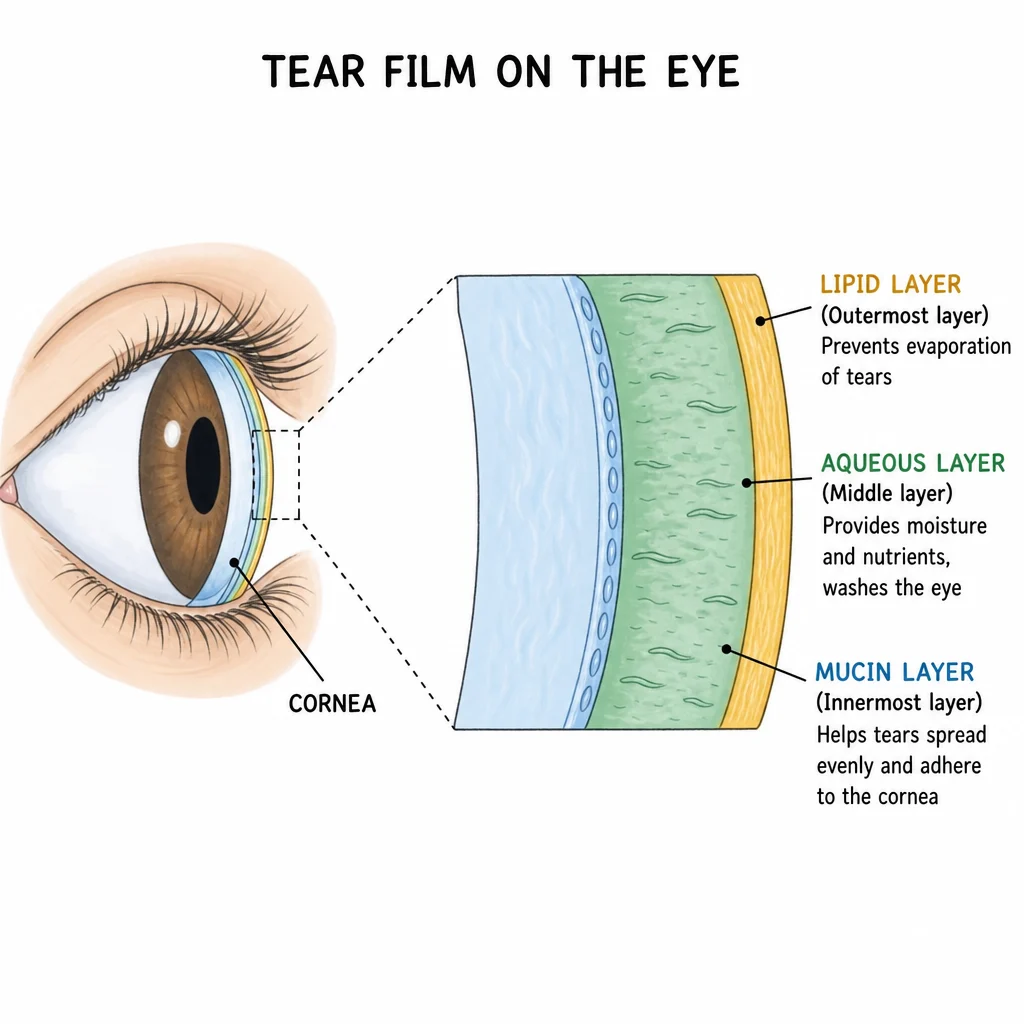
A few factors determine how a lens feels on eyes prone to dryness. Oxygen permeability affects how well your cornea can “breathe” through the lens, and lower permeability tends to correlate with more irritation over a full day of wear. Water content matters too, though more isn’t always better, since some high-water-content lenses can actually dehydrate faster in dry environments, pulling moisture from your tear film rather than holding onto it.
Moisture retention technology, often built into the lens material itself, helps slow that dehydration process throughout the day. Just as important is fit. A lens that doesn’t sit correctly on your eye can cause friction and irritation no matter how advanced its material is, which is why contact lens fittings involve more than just picking a lens type off a shelf.
Which Lens Types Actually Help With Dry Eyes?
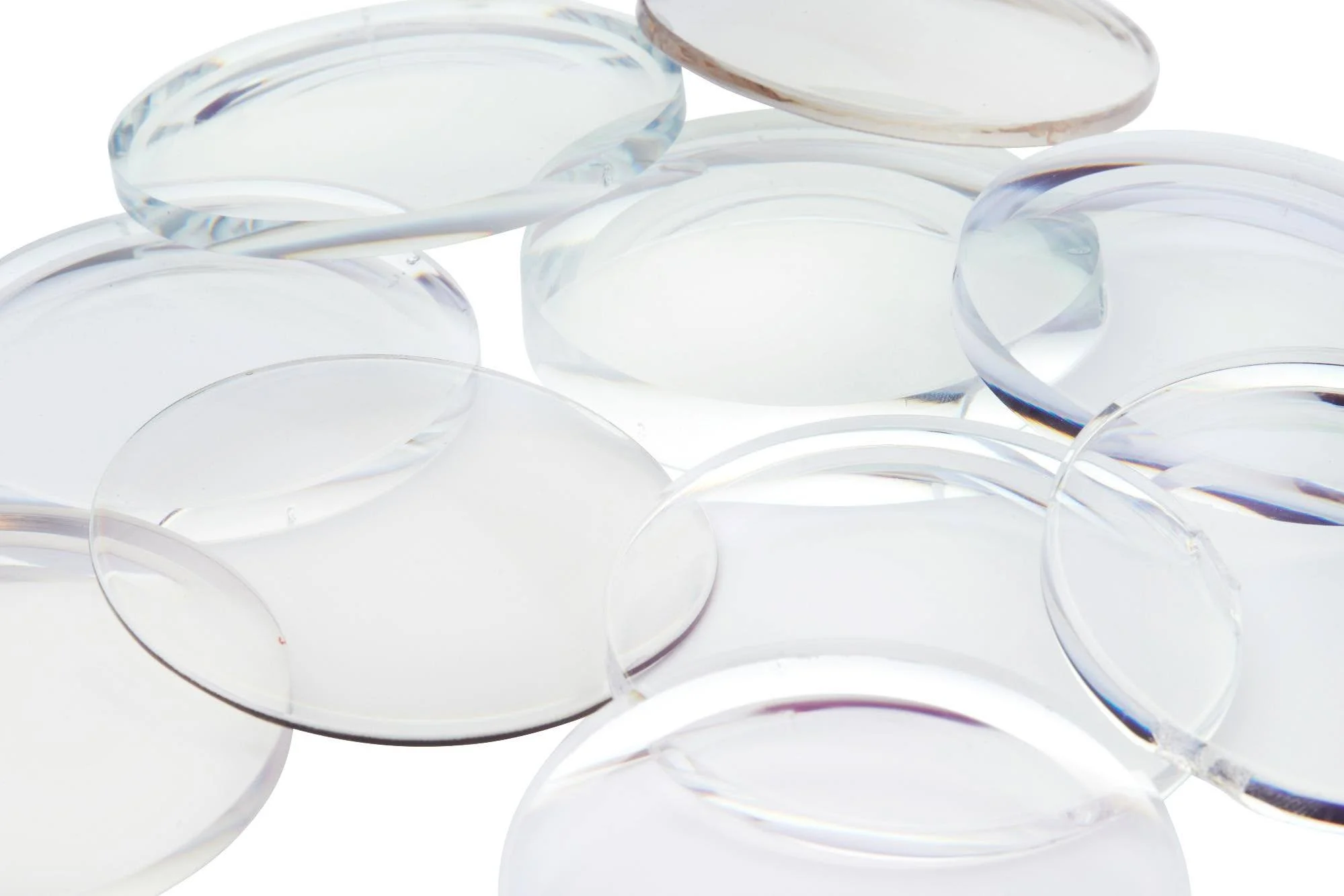
Daily disposable lenses are frequently recommended for dry eye sufferers, mainly because a fresh lens each day means no protein or lipid deposits building up over time, deposits that can worsen irritation the longer a lens is worn. Many daily lens designs now incorporate moisture-retaining technology specifically aimed at maintaining comfort through a full day of wear.
Silicone hydrogel lenses, available in both daily and monthly wear, are generally favored for dry eyes because the material allows more oxygen through than older hydrogel materials did (American Academy of Ophthalmology). The right balance of moisture retention and breathability varies by individual, which is part of why a fitting matters more than picking a lens based on general claims. For more significant dry eye cases, specialty lenses, including scleral lenses that vault over the eye’s surface and hold a reservoir of fluid underneath, can offer a different kind of relief that standard soft lenses don’t provide.
Are Daily Disposables Really the Best Choice?
For a lot of dry eye patients, yes, though it depends on your specific situation. Daily lenses reduce two of the biggest drivers of contact-lens-related dryness: buildup on the lens surface and the need for cleaning solutions that can themselves cause sensitivity in some people. That said, cost and convenience matter too, and monthly lenses with strong moisture-retention properties work well for plenty of people who are diligent about cleaning and replacement schedules.
At Clear & Company Eye Care, this decision isn’t made from a generic list of “best” lenses, it’s based on your specific tear film, corneal shape, and how dry eye actually shows up for you throughout the day. Dr. Taylor Randich often finds that patients who’ve struggled with contacts in the past assumed dryness was just something to push through, when in reality it usually points to a lens type or fit that wasn’t right for their eyes in the first place.
What Else Helps Beyond Choosing the Right Lens?
Lens choice is only part of managing dry eyes while wearing contacts. Staying well hydrated supports natural tear production, and keeping rewetting drops on hand gives you a quick way to relieve dryness during the day without needing to remove your lenses. Screen time is worth paying attention to as well, since staring at a screen reduces blink rate significantly, and the 20-20-20 rule, looking at something 20 feet away for 20 seconds every 20 minutes, helps counteract that.
Environmental factors matter too. A humidifier in dry indoor spaces, sunglasses that shield your eyes from wind, and simply avoiding smoke and dusty environments all reduce the baseline dryness your lenses have to contend with. Some patients also find that omega-3 fatty acids, whether from diet or supplements, support tear quality over time, an effect backed by a systematic review and meta-analysis of randomized controlled trials, though individual response varies and it’s worth discussing with your doctor rather than assuming it will resolve significant dryness on its own.
If dryness with contacts has become a recurring frustration rather than an occasional annoyance, it’s worth a real evaluation through medical eye care rather than cycling through drugstore lens brands on your own. A proper routine eye exam can also confirm whether an underlying dry eye condition, rather than the lens itself, is the actual root cause.
Finding contacts that feel comfortable with dry eyes usually takes some trial and adjustment, but it shouldn’t mean accepting daily irritation as normal. If you’ve been pushing through discomfort assuming that’s just how contacts feel, it’s worth exploring your full range of options at your next visit rather than settling for it.
FAQs
1. Can contact lenses make dry eyes worse?
Yes, if the lens material or fit isn’t right for your eyes, contacts can worsen dryness by disrupting your natural tear film or accumulating deposits over time. Choosing a breathable, moisture-retentive lens and getting a proper fitting significantly reduces this risk.
2. Are daily disposable lenses better for dry eyes than monthly lenses?
Daily disposables are often recommended for dry eye sufferers since a fresh lens each day avoids the deposit buildup that can worsen irritation. Monthly lenses can still work well for many people, particularly with diligent cleaning, but daily lenses generally involve less risk for dryness-prone eyes.
3. What lens material is best for dry eyes?
Silicone hydrogel is generally favored for dry eyes because it allows more oxygen to reach the cornea than older hydrogel materials. The right choice still depends on your individual tear film and how your eyes respond to different materials, which is best confirmed during a fitting.
4. Do rewetting drops actually help with contact lens dryness?
Yes, rewetting drops formulated for use with contacts can relieve dryness during the day without requiring you to remove your lenses. They’re a helpful supplement to good lens choice but aren’t a substitute for addressing an underlying dry eye issue if one exists.
5. Can screen time make dry eyes worse while wearing contacts?
Yes, extended screen use reduces your blink rate significantly, which speeds up tear evaporation and can make lenses feel drier faster. Taking regular breaks, like following the 20-20-20 rule, helps counteract this effect.
6. When should I see an eye doctor about dry eyes with contacts?
If dryness is a near-daily occurrence rather than an occasional issue, or if you’ve tried multiple lens types without relief, it’s worth a proper evaluation rather than continuing to guess. An eye doctor can determine whether an underlying dry eye condition, not just the lens itself, is driving the discomfort.