
Your eyes change throughout your life, but most people don’t think much about vision health until something goes wrong. Whether you’re in your 30s dealing with digital eye strain at a desk job or in your 70s noticing that the small print in the newspaper keeps getting harder to read, proactive eye care in Harrisburg, NC makes a real difference. This guide walks through practical habits and professional care steps that protect your vision at every stage of adult life.
Why Adult Eye Care Looks Different at Every Decade
Eye health isn’t static. Each decade of your adult life brings new risks and new priorities.
In your 30s and 40s, you’re likely spending hours on screens each day. Digital eye strain -that familiar tiredness, dryness, and blur that builds up by mid-afternoon -affects roughly 65% of American adults who work on computers, according to the American Optometric Association. You may also start to notice presbyopia, the gradual loss of near-focus that typically arrives in the mid-40s. It’s not a disease; it’s biology. But it does mean your eyes need different support than they did at 25.
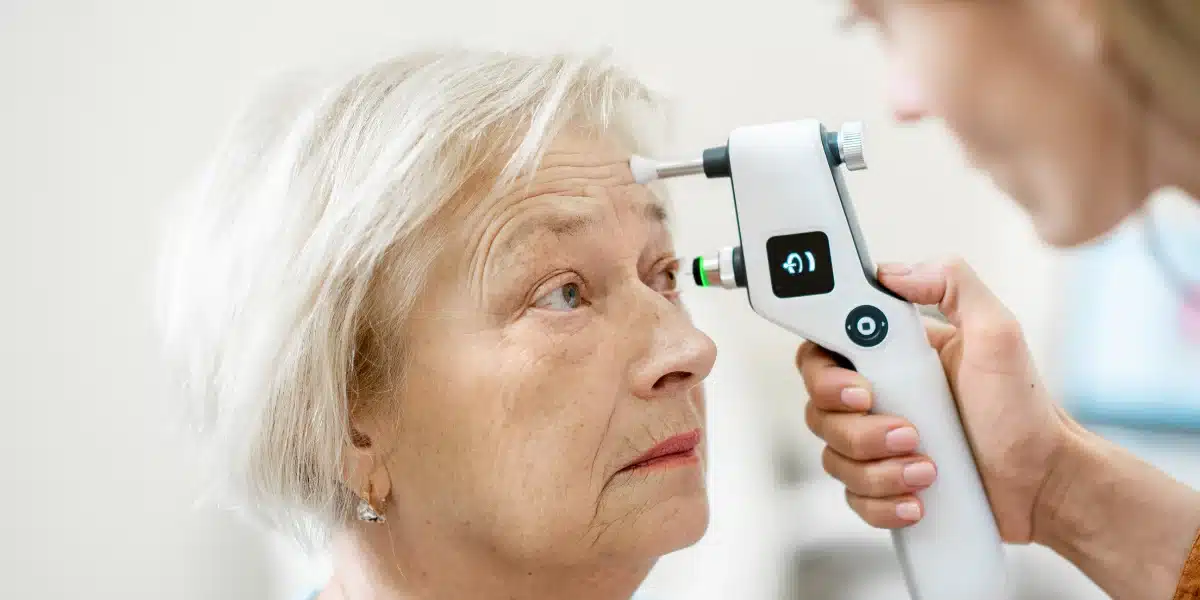
By your 50s, the risk profile shifts. Glaucoma, macular degeneration, diabetic retinopathy, and cataracts all become more likely. Many of these conditions develop without symptoms in the early stages -which is precisely why they’re dangerous. An eye exam can detect pressure changes, retinal irregularities, and structural shifts long before you notice any change in your day-to-day vision.
For adults over 65, the stakes are higher and the exam schedule tightens. The American Optometric Association updated its guidelines in recent years to recommend annual comprehensive exams for all adults, with particular urgency for seniors. Cataracts affect more than half of Americans over 80. Macular degeneration is the leading cause of vision loss in people over 60. These aren’t rare conditions -they’re part of aging, and they’re far more manageable when caught early.
Practical Daily Habits That Actually Help
Professional care matters, but what you do between appointments shapes your eye health just as much.
Screen habits. Follow the 20-20-20 rule: every 20 minutes of screen time, look at something 20 feet away for 20 seconds. This isn’t just a useful reminder -it interrupts the sustained near-focus that exhausts your ciliary muscles and contributes to dry eye over time. Adjust your monitor brightness to match the ambient light in your room, and consider anti-reflective coatings if you wear glasses.
Sun protection. UV exposure accumulates over a lifetime, and it accelerates cataracts and macular degeneration. Wear sunglasses that block 100% of UVA and UVB rays -not just tinted lenses, which can actually dilate your pupils and let in more radiation without proper UV filtering. Wide-brimmed hats help too, especially for outdoor workers and retirees who spend significant time outside.
Nutrition. The evidence for a few specific nutrients is strong. Lutein and zeaxanthin -found in leafy greens like kale and spinach -are concentrated in the macula and appear to reduce the risk of age-related macular degeneration. Omega-3 fatty acids support the tear film that keeps your eyes comfortable and clear. You don’t need supplements if your diet includes these foods regularly, but for many people a targeted approach helps.
Dry eye management. Dry eye is chronic and common, especially in adults over 50 and people in air-conditioned or heated environments. Preservative-free artificial tears used consistently throughout the day are a simple first step. If you’ve been managing dry eye on your own for months without relief, it’s worth exploring dry eye treatment options -there are now clinical therapies that go well beyond drops.
Sleep. Your eyes need rest too. Chronic sleep deprivation contributes to dry eye, light sensitivity, and eye spasms. Most adults need 7–9 hours, and screens in the hour before bed suppress melatonin while keeping your eyes in near-focus work mode.
Special Considerations for Seniors in Harrisburg, NC
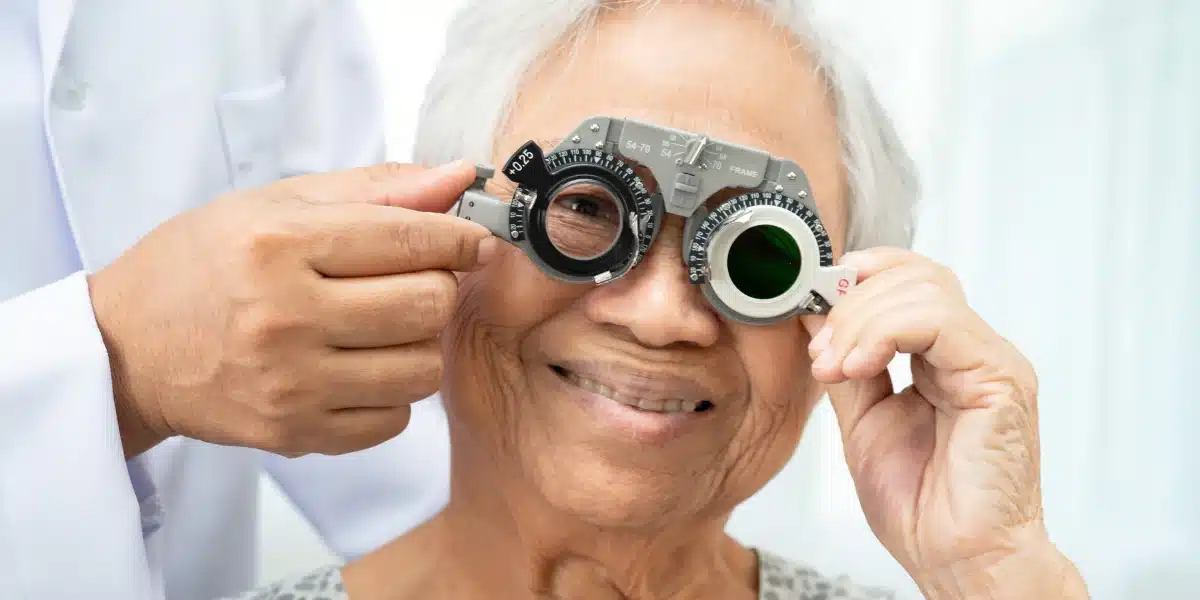
Older adults face a specific set of challenges that deserve attention beyond the standard annual exam.
Medication side effects. Many common prescriptions -antihistamines, antidepressants, blood pressure medications, and diuretics -affect tear production or intraocular pressure. If you’ve started a new medication and noticed changes in your vision or eye comfort, mention it at your next appointment. Your optometrist can often help manage the ocular side effects or coordinate with your prescribing physician.
Diabetic eye care. Diabetes is prevalent in North Carolina, and diabetic retinopathy is one of the most common causes of vision loss in working-age and older adults. High blood sugar damages the tiny blood vessels in the retina, often with no warning symptoms until significant damage has already occurred. A diabetic eye exam involves dilating the pupil to examine the retina closely -it’s a separate exam from a routine checkup and it’s important to schedule it annually if you have diabetes, even when your blood sugar is well-controlled.
Falls and driving. This one often surprises people, but vision problems are a significant contributor to falls in older adults. Depth perception, contrast sensitivity, and peripheral vision all decline with age and with conditions like cataracts. An updated glasses prescription and proper treatment of underlying conditions can meaningfully reduce fall risk. Similarly, if driving at night has become difficult -halos, glare, poor contrast -that’s worth a direct conversation with your eye doctor.
Low vision resources. If you or a loved one is living with significant vision loss that can’t be fully corrected with standard glasses or contacts, ask about vision rehabilitation services. Low vision specialists work with adaptive tools and strategies that help people maintain independence and quality of life despite significant vision impairment.
How Often Should Adults and Seniors Get Eye Exams?
The current standard from the American Optometric Association is straightforward: every adult 18 and older should have a comprehensive eye exam at least once a year. Previous guidelines suggested every two years for healthy adults under 65, but newer evidence supports annual visits for everyone -eye diseases don’t give you a calendar.
If you have diabetes, a family history of glaucoma or macular degeneration, high blood pressure, or you take medications known to affect the eyes, annual exams are non-negotiable. If you’ve had LASIK or other refractive surgery, your follow-up schedule will be different, so check with your provider.
For Harrisburg residents, the good news is that quality comprehensive care is available locally. Clear & Company Eye Care offers advanced imaging, corneal topography, and a range of specialty eye care services that go well beyond a standard prescription update. You don’t need to drive to Charlotte for a thorough exam.
Protecting Your Vision for the Long Term
Good eye care is cumulative. The habits you build in your 40s protect you in your 60s. The exams you don’t skip in your 50s catch the conditions that could otherwise rob you of sharp vision in your 70s.
Schedule your exam if you haven’t had one this year. Bring your current glasses, a list of your medications, and any questions you’ve been putting off. The exam itself is painless and takes about an hour for a thorough workup -and the peace of mind that comes from knowing your eyes are healthy is worth every minute.
FAQs
- At what age should adults start getting annual eye exams?
The American Optometric Association recommends annual comprehensive eye exams for all adults starting at age 18. If you have risk factors like diabetes, high blood pressure, or a family history of glaucoma, annual exams are especially important -don’t wait for symptoms to develop.
- What’s the difference between a vision screening and a comprehensive eye exam?
A vision screening (like the chart test at the DMV) only checks basic visual acuity. A comprehensive exam evaluates the health of the entire eye -including the retina, optic nerve, and intraocular pressure -and can detect diseases like glaucoma and macular degeneration that have no early symptoms. Screenings miss a lot.
- Can eye exams detect health problems beyond vision issues?
Yes, regularly. Your optometrist can spot early signs of diabetes, hypertension, high cholesterol, multiple sclerosis, and certain cancers during a routine eye exam. The blood vessels and nerve tissue in the eye reflect what’s happening throughout your body.
- I had LASIK years ago. Do I still need regular eye exams?
Absolutely. LASIK corrects your refractive error but doesn’t protect against glaucoma, macular degeneration, cataracts, or retinal tears. If anything, people who’ve had LASIK sometimes skip exams because their vision seems fine -which is exactly when underlying conditions can silently progress.
- How does dry eye get worse with age, and what can be done about it?
Tear production decreases with age, and hormonal changes (particularly in post-menopausal women) accelerate this. Medications, screen time, and certain environments make it worse. Treatment ranges from consistent use of preservative-free drops to prescription medications to in-office procedures like IPL therapy or thermal pulsation. Dry eye is very treatable -it just takes a proper diagnosis first.
- Are there vision changes that seniors should never ignore?
Yes. Sudden vision loss, flashes of light, a new curtain or shadow in your peripheral vision, or a sudden dramatic increase in floaters all require urgent care -same day if possible. These can be signs of retinal detachment, which is a medical emergency. Don’t wait and see if it clears up on its own.
Ready to see a local optometrist? Book your eye exam in Harrisburg with Clear & Company, or meet Dr. Taylor Randich. Call (704) 997-2020.