

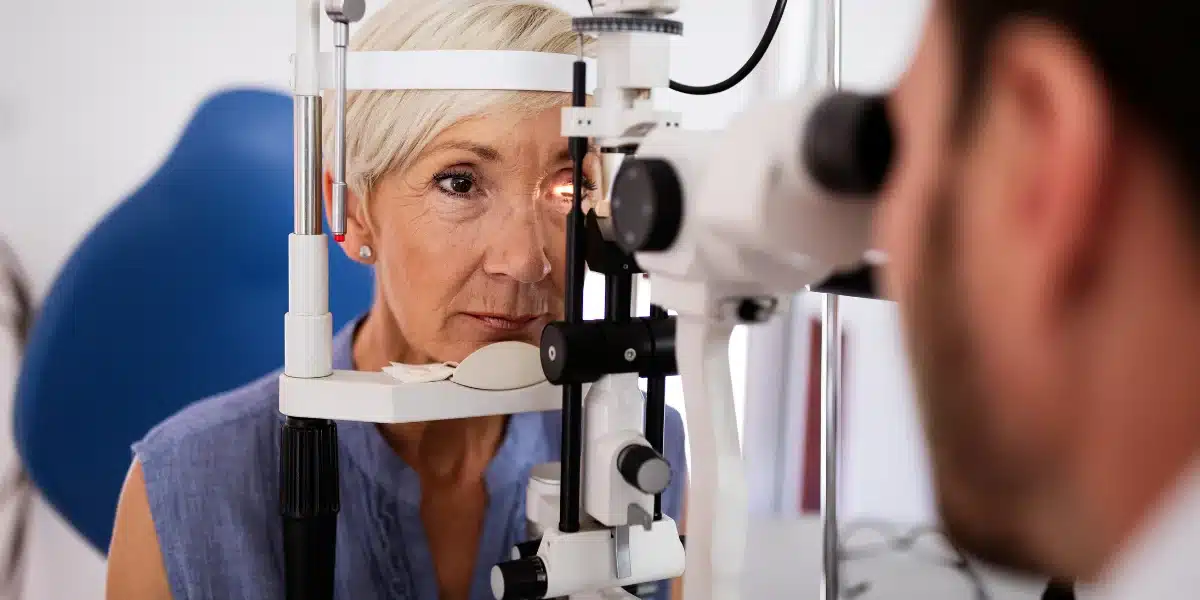
Your eyes do a lot of quiet work. They flag high blood sugar before you feel it, show signs of pressure changes before your vision blurs, and sometimes hint at heart or thyroid issues long before a primary care doctor catches them. That’s why medical eye services matter, and why they sit in a different category than your basic vision check. If you’ve ever been told “everything looks fine” at a routine appointment and still felt something was off, this post is for you. We’ll walk through what medical eye care actually covers, who needs it, and how to tell the difference between a routine exam and a visit that calls for deeper testing.
What “medical” eye care actually means
There’s a real distinction between a vision check and medical eye services, and most people don’t learn it until their insurance flags a claim. A routine appointment looks at how well you see and whether your prescription needs to be updated. A medical visit is different. It’s for diagnosing, monitoring, or treating an actual condition affecting the structure or health of your eye.
That includes things like glaucoma, dry eye disease, cataracts, sudden floaters, diabetic retinopathy, and any kind of injury or infection. The exam itself uses more advanced imaging, like OCT scans and digital retinal photography, and your eye doctor spends real time evaluating the inside of your eye instead of just refining your prescription. If you’re dealing with red eyes that won’t clear up, recurring headaches behind the eyes, or a family history of eye disease, this is the category of care you want. You can read more about how the standard exam process works on the routine eye exams page to see where the line gets drawn.
Why diabetes makes annual eye exams non-negotiable
Diabetes changes the blood vessels at the back of your eye. Sometimes those changes happen slowly over years. Sometimes they show up surprisingly fast, especially if blood sugar has been swinging. The frustrating part is that early diabetic eye disease often has no symptoms at all. By the time you notice blurry vision or dark spots, real damage has usually started.
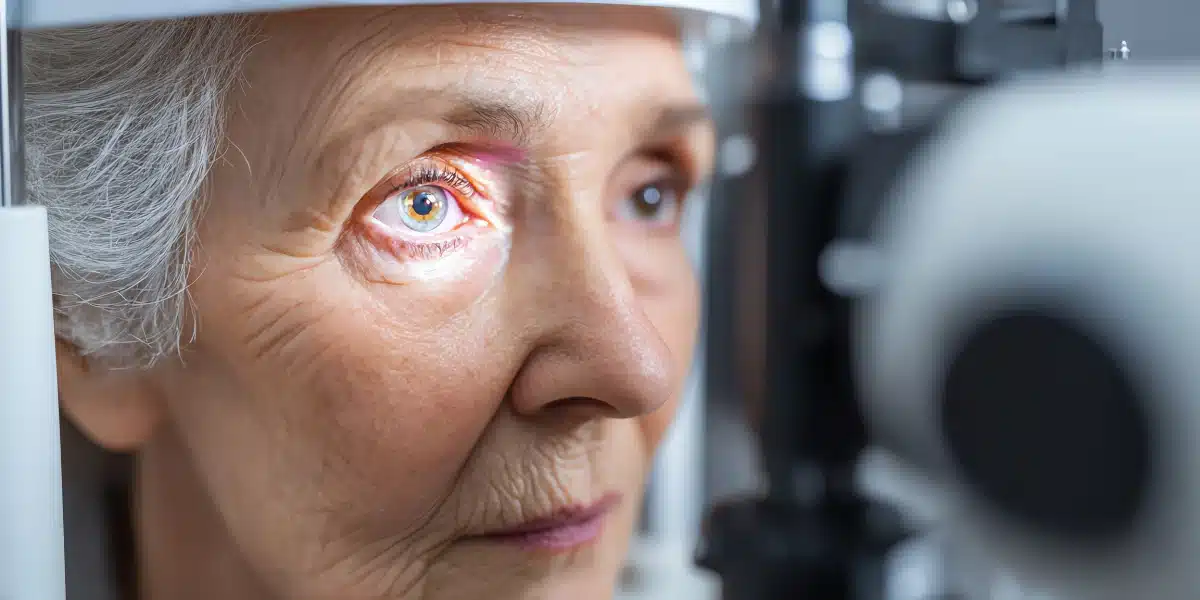
That’s why diabetic eye exams are scheduled annually and treated as a separate visit from your standard checkup. The doctor is specifically looking for tiny hemorrhages, fluid leakage in the retina, and changes in the optic nerve, none of which a basic refraction would catch. If you have type 1, type 2, or even gestational diabetes, this exam is one of the most useful preventive tools you have. Catching diabetic retinopathy early can mean the difference between simple monitoring and laser treatment down the road. Bring your A1C numbers if you have them, since context helps the doctor read what they’re seeing.
Glaucoma: the condition you almost never feel coming
Glaucoma is sometimes called the silent thief of sight, and that’s not marketing. It damages the optic nerve gradually, usually starting with peripheral vision, which your brain is great at filling in. By the time most people notice the loss, a meaningful chunk of vision is already gone, and that loss is permanent. The encouraging part is that glaucoma is very manageable when it’s caught early. At Clear & Co., that’s exactly what the screening process is built to do. Eye pressure measurements, optic nerve imaging, and visual field testing all work together to flag risk before symptoms appear.
You’re at higher risk if you’re over 60, have a family history of glaucoma, are of African or Hispanic heritage, or live with diabetes, high blood pressure, or certain heart conditions. Severe nearsightedness is another factor people don’t always know about. If any of that applies to you, schedule a comprehensive evaluation rather than waiting for a problem to surface. You can book an appointment online for routine visits, though medical concerns are best scheduled by phone so the right amount of time is set aside.
The other conditions a medical eye visit can catch
Diabetes and glaucoma get most of the attention, but they’re not the only reasons to come in for medical care. Dry eye disease is wildly underdiagnosed and affects more people every year, especially anyone who spends long hours on screens. Symptoms can feel like burning, grittiness, blurry vision that comes and goes, or even excessive tearing, which seems counterintuitive but is actually a common dry eye response.
Other conditions worth flagging include macular degeneration, which affects central vision and tends to develop after age 50, and various forms of conjunctivitis that may need targeted treatment rather than over-the-counter drops. Allergies, blepharitis, styes, and recurring eye infections all fall under the medical umbrella too. For kids, things like amblyopia, strabismus, and rapidly changing prescriptions are worth a closer look through dedicated children’s eye care, since school screenings can miss subtle issues that affect learning and development.
What to expect during the visit
A medical eye exam takes longer than a vision check and feels a bit different. Expect dilation drops in most cases, which let the doctor see the full back of your eye clearly. Your vision will be temporarily blurry afterward, so bring sunglasses or plan for someone to drive you home if you’re sensitive to light.
You’ll likely have a few imaging tests too. OCT scans show cross-sections of your retina in stunning detail. Visual field tests map your side vision. Tonometry checks the pressure inside your eye, and that part is quick and painless. The doctor will explain what they’re seeing as they go, and you’ll leave with a clear plan, whether that’s a follow-up in three months, a treatment to start, or just confirmation that everything looks healthy. If you’re new to the practice, the new patient page walks through what to bring and how the first visit flows.
Bring your current glasses or contacts, a list of medications, and any relevant medical history. If you’ve had previous eye surgery, imaging from past appointments, or a referral from another doctor, all of that helps. Pediatric visits and contact lens-related concerns often need their own scheduling track, which is why contact lens fittings are booked by phone rather than online, so each patient gets the right window of time.
A quick note on insurance
Medical eye care is usually billed through your medical insurance, not your vision plan. That trips up a lot of people. Vision insurance generally covers a routine annual exam and a portion of glasses or contacts. Medical insurance covers anything diagnostic or therapeutic, like a glaucoma workup, a diabetic eye exam, or treatment for an infection. Sometimes both get used in a single visit. The front desk team usually verifies coverage in advance so there are no surprises, but it’s worth checking your benefits before you come in.
Your eyes are easy to take for granted until something feels off, and by then you’ve often waited longer than you should have. If you’re managing a chronic condition like diabetes, have a family history of eye disease, or just haven’t had a proper medical evaluation in years, this is the kind of appointment that pays you back. A small slot on your calendar now can prevent much bigger problems later.
FAQs
- How often should I have a medical eye exam if I have diabetes?
Most diabetic patients need a full eye exam once a year, even if their vision feels stable. If your eye doctor finds early signs of retinopathy, you may need to come in every three to six months instead. Pregnancy and changes in blood sugar control can also shift the recommended timing, so let your doctor know about any major health updates.
- What’s the difference between a routine eye exam and medical eye care?
A routine exam focuses on prescription accuracy and basic eye health, while medical eye care diagnoses, monitors, or treats specific conditions like glaucoma, dry eye, or diabetic retinopathy. Medical visits typically involve more advanced imaging and longer evaluation time. They’re also billed through medical insurance rather than vision benefits.
- Can glaucoma be cured?
Glaucoma can’t be cured, but it can be controlled very effectively with early treatment. Options include daily eye drops, laser procedures, and in some cases minor surgery to improve fluid drainage. The key is catching it early, before the optic nerve sustains noticeable damage, since any vision lost to glaucoma is permanent.
- Do I need a referral for medical eye services?
Most insurance plans don’t require a referral for an optometrist, but some HMO plans do. It’s a good idea to call your insurance ahead of time or ask the clinic to verify your benefits. Either way, the office staff can typically guide you through the paperwork so you’re not stuck navigating it alone.
- What symptoms mean I should be seen right away?
Sudden vision loss, flashes of light, a curtain or shadow across your vision, severe eye pain, or a sudden surge of new floaters all warrant immediate evaluation. The same goes for chemical exposure or any kind of eye injury. These can signal retinal detachment, acute glaucoma, or other emergencies, so don’t wait for a regular appointment slot.
- Are children covered for medical eye services too?
Yes, kids can absolutely receive medical eye care when needed. Conditions like lazy eye, crossed eyes, chronic eye infections, and unusual light sensitivity all fall under the medical umbrella. Pediatric exams use kid-friendly techniques and gentle imaging, and most children handle them without any issue at all.
At Clear & Company Eye Care in Harrisburg, NC, we can help. Explore our medical eye care services or book an appointment online — or call (704) 997-2020.