
A comprehensive eye exam is a full evaluation of both your vision and the overall health of your eyes, not just a check for a new glasses prescription. It looks for early signs of eye disease, focusing or coordination problems, and health changes that a basic vision screening isn’t designed to catch.
What Is a Comprehensive Eye Exam?
A comprehensive eye exam is a detailed appointment that evaluates vision and eye health together. Beyond prescription testing, it can include eye coordination checks, eye pressure measurement, and a close examination of the internal and external eye structures. The goal isn’t only clear vision, it’s catching concerns before they become noticeable, since many eye conditions develop gradually without early pain or obvious symptoms.
Comprehensive Eye Exam vs. Vision Screening: What’s the Difference?
A vision screening is a brief check, often done at school, work, or a health fair, designed to flag possible vision problems. It’s useful as an early alert, but it isn’t a substitute for a full exam. A comprehensive eye exam investigates what’s actually happening and why, assessing prescription needs, eye health, focusing, and alignment in one visit.
What Happens During a Comprehensive Eye Exam?
Most comprehensive eye exams follow a similar structure, starting with questions about your vision, health, medications, and any concerns you’ve noticed. That context helps your provider choose the right tests and interpret results accurately.
Vision and Prescription Testing
You’ll typically read letters or symbols at different distances to measure visual clarity, and if you already wear glasses or contacts, your current prescription is reviewed. This confirms how lenses can help light focus on the retina, but it doesn’t explain the health of the eye or how well both eyes work together, which is why prescription testing is only one part of a full exam.
Eye Movement, Focusing, and Coordination
Your provider may evaluate how your eyes track, align, and shift focus from near to far, which matters if you experience headaches, double vision, or reading fatigue. For children, these checks matter for learning comfort too, since a child can have normal distance vision but still struggle with near focusing or eye teaming during reading and schoolwork. This is part of why children’s eye exams go beyond a basic vision check.
Eye Health Evaluation
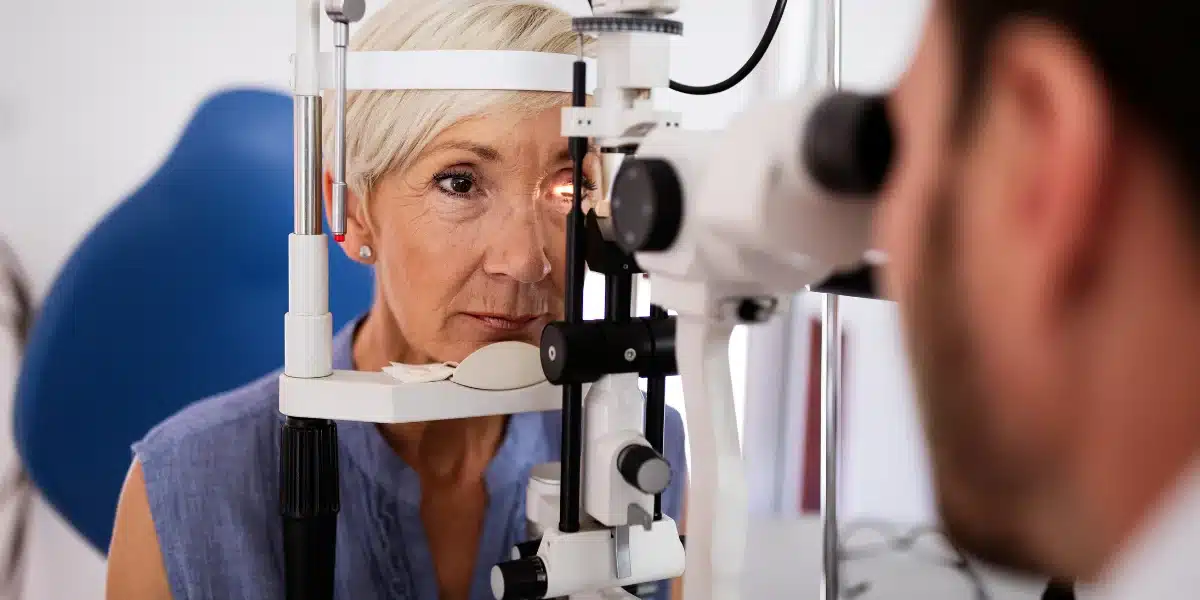
The health portion may include examining the eyelids, cornea, lens, and retina, sometimes using imaging or dilation for a clearer view. Eye pressure may also be measured as part of screening for conditions affecting the optic nerve. The goal is identifying signs of irritation, infection, cataracts, retinal changes, or dry eye, and determining whether something needs monitoring, treatment, or referral. Clear & Company Eye Care’s Inside-Out Eye Exam builds this evaluation into every comprehensive visit using advanced retinal imaging and OCT.
When Should You Schedule a Comprehensive Eye Exam?
You don’t need to wait until vision becomes difficult. Consider scheduling if you notice:
- Blurry vision at distance, near, or both
- Frequent headaches after reading, driving, or screen use
- Squinting, eye rubbing, or trouble focusing
- Eye pain, redness, dryness, or irritation
- New floaters, flashes of light, or shadows in your vision
- Difficulty seeing at night or increased glare sensitivity
- A contact lens prescription that no longer feels comfortable
- A family history of glaucoma, macular degeneration, or other eye disease
- Health conditions that can affect the eyes, such as diabetes or high blood pressure
Sudden vision loss, new flashes with floaters, severe eye pain, or a curtain-like shadow in your vision should be treated as urgent, that’s a reason to reach out through emergency eye care rather than waiting for a routine appointment.
Who Benefits Most From Regular Comprehensive Eye Exams?
Children may not always know how to explain vision problems, showing up instead as avoiding reading, sitting close to screens, or tired eyes. Adults often notice changes as screen time increases or near vision shifts with age. Contact lens wearers need regular exams to confirm lenses still fit well and eyes remain healthy for continued wear. People with chronic health conditions like diabetes should be proactive too, since the eyes contain delicate blood vessels that can show early signs of whole-body health changes, which is exactly what diabetic eye exams are designed to catch.
How Should I Prepare for My Appointment?
Bring your current glasses, sunglasses, and contact lenses, a list of medications and supplements, notes about symptoms and when they happen, and any personal or family history of eye disease. If dilation may be part of your visit, ask the office what to expect, some people prefer to bring sunglasses or arrange a ride if their vision is temporarily light-sensitive afterward.
Good questions to bring with you: Has my prescription changed significantly? Are my eyes working together comfortably for reading and screens? Do you see any signs of disease that need monitoring? How often should I schedule my next exam? Dr. Taylor Randich and the team walk through results in plain language, so don’t hesitate to ask for clarification on anything unfamiliar.
How Often Should You Get a Comprehensive Eye Exam?
The right schedule depends on your age, symptoms, eye health, and medical history. Many people are advised to return annually, though your provider may recommend more frequent monitoring if you have symptoms, a known eye condition, or risk factors like diabetes or a family history of eye disease. The key is not relying only on noticeable changes, since vision can shift slowly and some eye health concerns develop without obvious warning signs.
Your eyes support nearly every part of daily life, from reading and driving to working and connecting with people around you. If you’re not sure when you were last examined, that’s reason enough to schedule a visit rather than wait for symptoms to make the decision for you.
FAQs
1. What is a comprehensive eye exam?
A comprehensive eye exam is a detailed evaluation of both vision and eye health, including prescription testing, eye coordination checks, eye pressure measurement, and an examination of internal and external eye structures. It goes well beyond a basic vision check.
2. How is a comprehensive eye exam different from a vision screening?
A vision screening is a brief check that flags possible vision problems, often done at school or work. A comprehensive eye exam investigates the cause directly, evaluating eye health and function rather than just visual acuity.
3. How often should I get a comprehensive eye exam?
Most people benefit from an annual comprehensive eye exam, though your provider may recommend a different schedule based on your age, symptoms, and risk factors like diabetes or a family history of eye disease.
4. Can a comprehensive eye exam detect eye diseases with no symptoms?
Yes, that’s one of its main purposes. Conditions like glaucoma and early retinal changes often develop without noticeable symptoms, which is why the exam includes eye pressure measurement and direct examination of the retina and optic nerve.
5. Do I need a comprehensive eye exam if I don’t wear glasses?
Yes. The exam evaluates eye health independently of whether you need vision correction, and eye disease can develop even in people with naturally clear vision.
6. What should I bring to a comprehensive eye exam?
Bring your current glasses or contacts, a list of medications, notes on any symptoms, and information about your personal or family eye health history. This helps your provider tailor the exam and interpret results accurately.