
If you’ve typed “eye doctor in Harrisburg, NC” into a search bar recently, you’re probably trying to figure out where to actually go, not just who’s nearby. Harrisburg has grown a lot over the past few years, and so have the options for eye care. But not every practice offers the same things, and knowing what services to look for can save you a second appointment somewhere else down the road.
A good eye doctor in Harrisburg, NC should cover more ground than a basic vision check. You want a place that can handle routine eye exams, catch medical issues early, fit contacts properly, and help kids and adults alike. Here’s a breakdown of what that actually looks like in practice.
Routine and Comprehensive Eye Exams
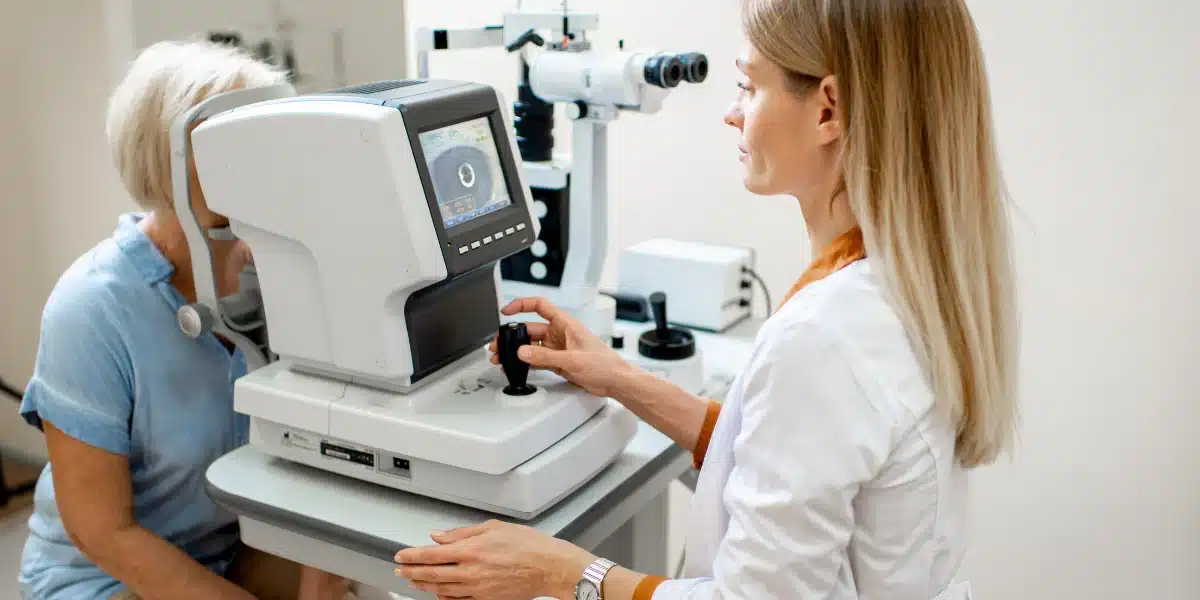
The most common reason people book an appointment is the standard eye exam, but “standard” doesn’t mean basic. A thorough comprehensive eye exam involves checking your vision, of course, but it also includes a look at the overall health of your eyes. Some practices, like the team behind the Inside-Out Eye Exam, use retinal imaging and OCT scans to get a detailed view of the back of the eye, which can pick up on changes well before they’d show up in a basic refraction test.
This matters because your eyes can reveal a lot about your overall health. Conditions like high blood pressure, high cholesterol, and diabetes often show early signs in the blood vessels at the back of the eye. A doctor who takes the time to image and document those details is giving you a baseline that makes future visits more useful, since small changes get caught instead of missed.
If you haven’t had an exam in over a year, or if you’ve noticed your vision shifting at all, it’s worth scheduling something soon rather than waiting for your eyes to “feel” different. Vision loss is often gradual enough that you adjust without realizing how much has actually changed.
Medical Eye Care for Ongoing Conditions
Beyond routine checkups, a well-rounded practice should also offer medical eye care. This covers things like red or irritated eyes, allergy flare-ups, dry eye symptoms, and monitoring for conditions like glaucoma. If you have diabetes, this is especially important, since diabetic eye exams are typically billed differently than routine vision exams and require specific imaging to track retinal health over time.
Medical eye care also means your eye doctor should be comfortable coordinating with your primary care physician or other specialists when something outside their scope comes up. You shouldn’t have to figure out on your own whether a symptom needs urgent attention. A practice that takes medical concerns seriously will usually have same-day or next-day slots set aside for exactly this kind of thing, separate from their routine exam scheduling.
Eyewear, Contact Lens Fittings, and Pediatric Care
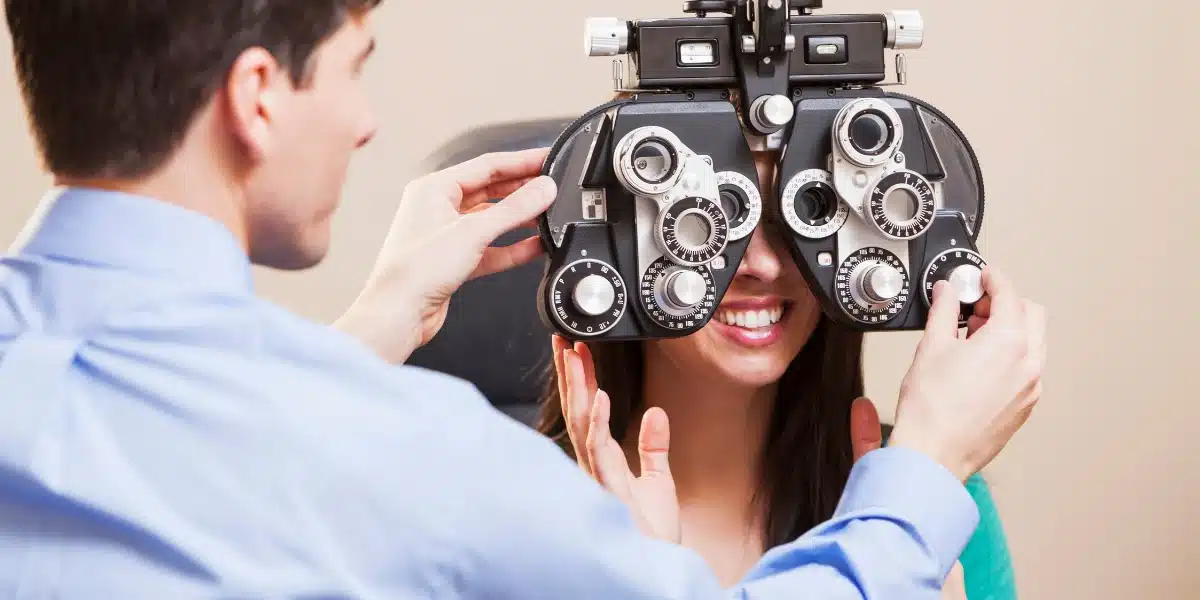
Glasses and contacts are often treated as an afterthought, but a proper fitting takes real skill. For contact lenses specifically, fit isn’t just about comfort. Poorly fitted lenses can lead to dryness, corneal irritation, or even infection over time. Practices that offer specialty lenses, like Ortho-K or scleral lenses, tend to have more experience working through fit problems that standard lenses can’t solve.
Pediatric eye care deserves its own mention here too. Kids don’t always know how to describe blurry vision, and they certainly don’t always tell their parents when something feels off. If you’re a parent in Harrisburg, look for a practice that’s used to working with kids and that offers exams gentle enough to keep them comfortable. Many providers also offer myopia management services for children, which can help slow the progression of nearsightedness during the years when it tends to worsen most quickly.
When choosing where to go, it helps to look at the full picture rather than just the closest option on a map. Clear & Company Eye Care was built around the idea that patients shouldn’t feel rushed through an exam or left guessing about what their results mean, and that philosophy shapes how each visit is structured, from the first hello to the final explanation of your results.
What to Expect as a New Patient
If you’re switching providers or visiting an eye doctor in Harrisburg, NC for the first time, the process is usually smoother than people expect. Most practices ask you to complete intake forms ahead of time, which speeds things up considerably once you arrive. You’ll also want to bring your insurance information, since vision and medical insurance plans cover different things, and your front desk team should be able to walk you through what’s covered before you’re billed for anything unexpected.
After your new patient visit, you’ll typically have time to discuss your results with the doctor directly, ask questions about anything you didn’t understand, and if needed, browse frames or lens options with an optician. This is also a good moment to ask about how often you should come back, since the right interval depends on your age, your health history, and whether you wear corrective lenses already.
If you’ve been putting off an eye exam because you’re not sure where to start, the easiest first step is simply booking a comprehensive exam and asking lots of questions while you’re there. A good provider will welcome the questions rather than rush past them.
FAQs
- How do I know if I need a medical eye exam instead of a routine one?
If you’re experiencing symptoms like redness, pain, sudden vision changes, or you have a condition like diabetes that affects your eyes, you likely need a medical visit rather than a routine check. Routine exams are for general vision and health screening, while medical visits address active symptoms or chronic conditions. When in doubt, call the office and describe what you’re experiencing so they can point you to the right appointment type.
- What should I bring to my first eye exam in Harrisburg, NC?
Bring your insurance card, a list of any current medications, and your current glasses or contact lenses if you have them. It also helps to jot down any vision symptoms or family eye health history beforehand. Having this ready speeds up your appointment and gives the doctor more useful context.
- How often should I schedule a comprehensive eye exam?
For most healthy adults, an exam every one to two years is reasonable, though annual visits are recommended if you wear corrective lenses or have risk factors like diabetes or a family history of eye disease. Children and seniors generally benefit from more frequent checkups. Your eye doctor can give you a specific timeline based on your individual health profile.
- Can an eye doctor detect health issues unrelated to vision?
Yes. Comprehensive exams often reveal early signs of diabetes, high blood pressure, and high cholesterol through changes in the eye’s blood vessels. This is one reason eye exams are considered an important part of preventive healthcare, not just a vision check. Catching these signs early can prompt a conversation with your primary care doctor sooner than you might otherwise have one.
- Do I need a separate appointment for contact lens fittings?
In many cases, yes, especially if you’re new to contacts or switching to a specialty lens type. A fitting involves measuring your eyes precisely and trialing lenses to confirm comfort and vision quality before finalizing your prescription. This extra step helps avoid irritation or poor vision correction down the line.
- What age should kids start getting eye exams?
Most optometrists recommend a first exam around six months old, another around age three, and then before starting school. After that, annual exams are typically advised, especially since children’s vision and eye shape can change quickly during growth years. Early detection makes a real difference in treating issues like myopia before they progress further.